How to Start a Poetry Open Mic in Your Community: A Beginner’s Guide

Six people in a back room, one microphone that may or may not work, a sign-up sheet with three names on it. That is how most poetry open mics begin, and it is enough. The night you are imagining — a full room, a waiting list, a scramble for the mic — usually grows out of a much smaller, much more ordinary evening that someone decided to repeat every month until it stuck.
What follows is the practical part: how to find a room, what to settle before you announce anything, the rules that make strangers feel safe enough to read, and the hosting habits that turn a one-off into a fixture. None of it requires money, a literature degree, or a committee.
Find a room that already has people in it
Look for a place with an existing crowd and an underused corner: a café that goes quiet after seven, a bookshop with a back room, a pub with a function space nobody books on Tuesdays, a library meeting room, a church basement with decent chairs. You want a room that holds twenty-five or thirty people comfortably, because a small room that feels full beats a big room that feels empty.
Check three things before you commit. Sound: clap once and listen. Hard surfaces, a low ceiling and a corner away from the espresso machine will do more for a reading than any speaker. Sightlines: can a person standing at the front be seen from the back row? Access: a step-free entrance, a nearby bus stop and a bit of parking matter more than ambience if you want a mixed crowd rather than the same eight friends.
What to ask the owner
- Which night is slowest for you, and would a crowd of twenty help or hinder?
- Is there a microphone and a small speaker we can plug into?
- What time do you need the room back?
- Do you need anything in writing, insurance, or a deposit?
Offer what you actually have: an audience that buys drinks, a date you will promote properly, a promise to leave the room as you found it. Don't overpromise a crowd you can't guarantee. Let the venue tell you what it needs on licensing, amplified sound and capacity; those rules vary by place, and it is their call, not yours.
Decide the format before you announce it
A repeatable format is easier to promote and easier to run. Answer the same questions the same way every month, so regulars know what they are getting.
- Set length. Three minutes per reader, or one poem, is standard for a reason: it fits twelve to fifteen slots into a two-hour night.
- Slots. An in-person sign-up sheet, opened when the doors do, is simpler than online booking and rewards people who show up.
- Structure. A short first half, a break, a second half. The break is not optional. It is when people talk, and talking is why they come back.
- Features. Every few months, invite one reader to do a fifteen-minute set. It gives the night a headline and gives a local poet something to work towards.
- Scope. Decide whether music, comedy or prose are welcome. "Poetry and anything close to it" is a workable answer.
Write your format in three lines and use the same three lines every time. Consistency is the whole trick.
Set ground rules that protect the room
An open mic fails quietly when people don't feel safe: when someone reads past their time, when a piece turns into an attack on a person in the audience, when the same voice is interrupted for the fourth time. Rules prevent some of this. Framing them as agreements prevents more.
Try these, adapted to your room:
- Three minutes per reader; the host gives a one-minute signal.
- One slot at a time. If there is space at the end, you can sign up again.
- No hate speech, no personal attacks, no reading someone else's private life aloud.
- Ask before photographing or filming anyone.
- A content warning for graphic material — one sentence before you start.
- The host can end a set early, politely, and nobody enjoys it.
Print them, put them by the sign-up sheet, and read them aloud at the start in about thirty seconds. Read in a stern voice, a rules list sounds like a warning; read warmly, it sounds like a shared promise. We keep to time so everyone gets a turn lands better than anyone over time will be cut off.
Promotion that reaches actual neighbours
You don't need a marketing plan. You need the same date, time and address repeated everywhere a local person might look.
- Paper. A simple poster — big date, big time, big address — in the café window, the library noticeboard, the bookshop, the launderette. Plain text beats a design nobody can read from two metres away.
- One online post per event, shared into local groups, then updated with photos afterwards so people can see what the room looks like.
- Personal invitations. Ask five specific people, by name. "You should read something" converts better than any poster.
- Partners. A writing group, a creative writing class, a theatre group. One message to a convener can fill three slots.
- The venue's own audience. Ask the café to mention it on their board. Their regulars are already in the building.
Start two or three weeks out, then post a reminder in the final few days. Expect the first night to be small. Nine people in a room built for twenty-five feels like a triumph if the poems are good, so make the poems good and let the numbers arrive later.
Hosting: the job is mostly listening
The host sets the temperature. Stand at the door, greet people as they arrive, learn the names on the sign-up sheet and use them. Start on time even if the room is half empty; the people who came early will remember that you respected their evening.
Between readers, keep it brief. Two sentences of introduction, one thank you, next name. The night is not your set, and a host who reads three of their own poems in the first half tells the room exactly whose evening it is. Keep a timer where you can see it, use a light tap on the shoulder rather than a lecture, and be ready to fill a silence with a question about the poem you just heard.
Handle the difficult moments quietly: the reader who won't stop, the person who has had too much to drink, the heckler. Thank the reader, name the next person, and if you must intervene, do it close and low so it never becomes part of the show.
The host's job isn't to perform. It's to make the person at the microphone feel like the most important person in the room.
Applause every time. Clap, snap, stamp — whatever the room prefers, as long as it is reliable. The silence after a first-time reader is the thing that stops them coming back.
Keep it going past month three
Most open mics die in the gap between enthusiasm and routine. Close that gap with small habits:
- Announce the next date before the night ends, and write it on the sign-up sheet.
- Book the venue two or three months ahead, in one conversation.
- Keep a list of names and email addresses, and use it once a month.
- Find a co-host, so one bad week doesn't end the series.
- Thank the venue publicly, every time, and buy something from the bar.
Then let it be ordinary. Some nights will be eight people and one long poem about a bus. Some will be full, with a queue at the sign-up sheet. Both count. A poetry open mic is a room where someone who has never read aloud gets three minutes of undivided attention — arrange that once a month and you have done the job.
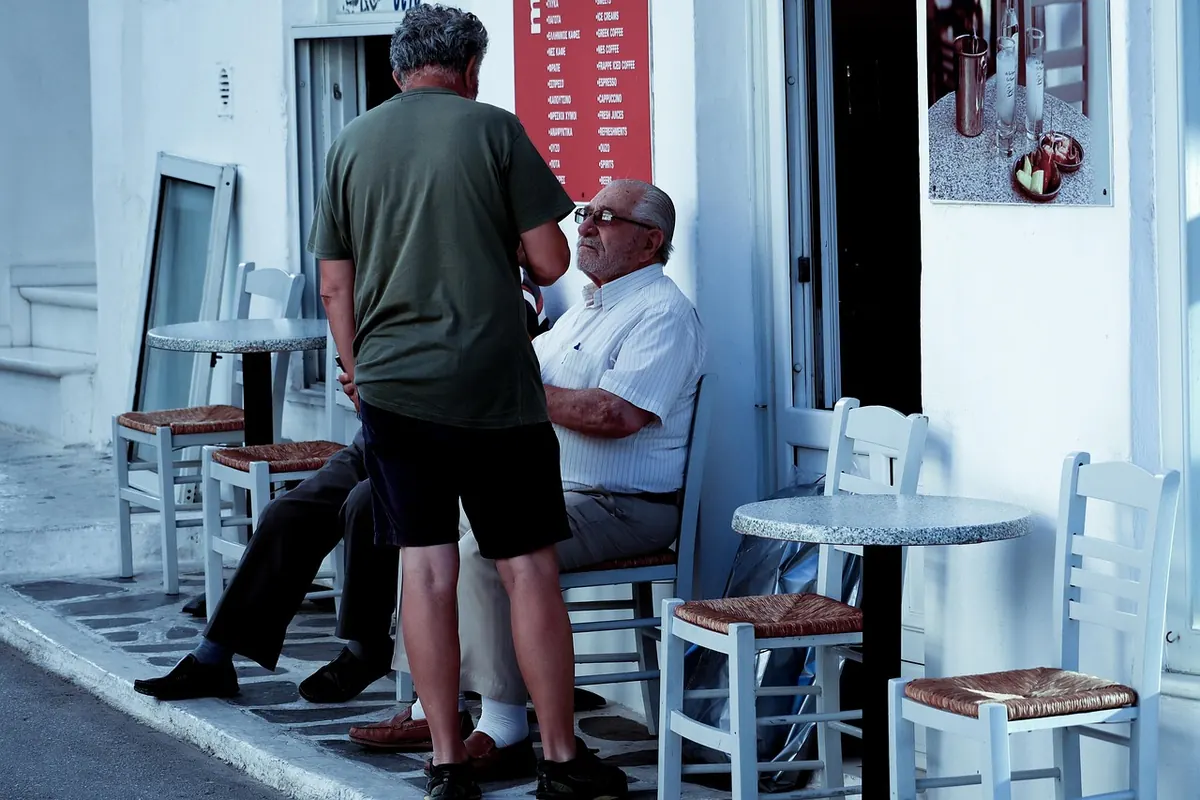
Photo: ClarissaBell / Pixabay